All Categories
Featured
Table of Contents
Several patterns are likely to form the future of development cycles progressing: Quantum computing and AI together can solve new class of issues that could not be solved in the past. These technologies might lead to developments in fields like cryptography, drug discovery, and climate modeling. Gene editing and individualized medicine are set to change health care.

Among humanity's greatest quests is the search for immortality. Science has actually revealed the path to longer and healthier lives, and technological development is currently happening. This mission comes with considerable moral and ethical concerns that we have yet to respond to. With growing concerns about environment modification, sustainable technologies will be important in dealing with environmental obstacles.
Due to these influencing elements, the electrical market is about to go through major changes in production, transport, and intake. Innovation cycles have shaped history and driven financial growth and societal progress. By understanding these cycles and tactically carrying out brand-new innovations, organizations can stay ahead of the curve, enhance efficiency, and achieve long-term success.
Back in 1999, V.H. Carr specified innovation adoption as "the stage of picking a technology for use by a specific or an organization." That definition stays beneficial, however the process has actually grown more complicated as technology ends up being woven into nearly every aspect of our expert and individual lives. Technology has improved how we live, work, and connect, typically in ways we couldn't have actually thought of a generation earlier.
What makes adoption so tough is not the innovation itself, however the human response to it. Fear, doubt, and lack of self-confidence surface area as people question their ability to adjust. Adoption depends as much on attitude, character, social influence, and trust as it does on usability or performance. In practice, innovation adoption is less about the tools and more about peopletheir willingness to change, their openness to new methods of working, and the conditions that support or prevent them along the way.
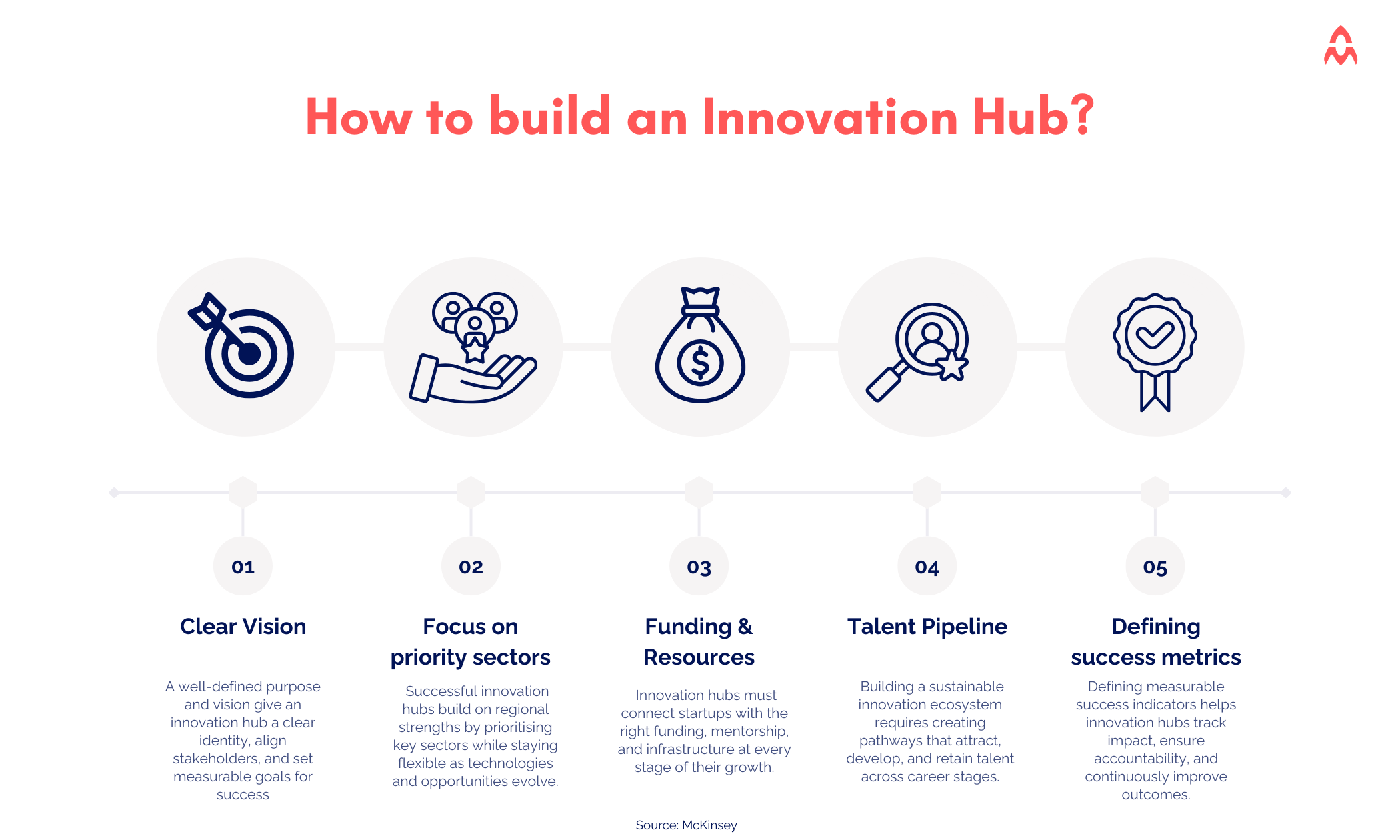
Developing the Structure for Tomorrow's Digital Innovation CentersBuilding Agile Innovation Centers
It involves discovering and adapting to new innovations. Innovation adoption is affected by performance span, effort expectancy, facilitating conditions, and social influence. The technology adoption curve is a bell curve design explaining how people react to, adopt, and accept brand-new innovative products and technologies.
Each classification of innovation adopter has various incentives when adopting brand-new processes and technologies. Innovators are those who want to take dangers. Innovators are those in the innovation adoption life process who like trying brand-new things and might even be the people encouraging others to check out a new app or tool.
Due to the fact that innovators are hardly ever worried about failure, they're really willing to provide a brand-new innovation a shot. If you're the individual presenting new innovation into your organization, you're an innovator.
Integrating Edge Infrastructure to Drive Strategic Innovation
Innovators don't require much convincing, the best method to inspire them is to get them excited about what a brand-new tool can do. Every step is developed to motivate your group to move forward.
Let's say you want to utilize a digital adoption platform to onboard employees to a new piece of software. The big opportunity is being able to save money on material development time, enhance user adoption rates company-wide, and boost performance. Innovators will be fascinated by the tool and thinking about how it can improve their work.
Early adopters love being the first to learn about new innovation. These people are quick to sign up for brand-new social networks sites or explore a new project management tool simply for fun. What separates early adopters from innovators is early adopters' concerns about their credibilities. While innovators are comfy stopping working publicly, early adopters like to collect details and individual experience with innovation before they recommend it to others.
Convincing Going to overcome early bugs and setbacks related to beta launches and brand-new technologies Worried about their track record To motivate early adopters, provide guides on how to start. Early adopters wish to strike the ground running. By providing them the guides and training they need to begin using a tool, they can end up being internal champions for your organizational change.

Latest Posts
Maximizing Strategic Value Through Corporate Innovation Units
Mastering Evolving Tech Development Cycles
Predicting the Future of Corporate Tech Transformation