All Categories
Featured
Table of Contents
Numerous trends are likely to form the future of development cycles moving forward: Quantum computing and AI together can solve new class of problems that could not be solved previously. These innovations might cause developments in fields like cryptography, drug discovery, and environment modeling. Gene editing and individualized medicine are set to change health care.

Science has actually revealed the course to longer and healthier lives, and technological development is currently occurring. With growing issues about climate change, sustainable innovations will be essential in resolving ecological obstacles.
Due to these influencing elements, the electrical market is about to go through significant changes in production, transportation, and consumption. Innovation cycles have actually shaped history and driven financial development and societal progress. By comprehending these cycles and strategically carrying out new innovations, services can remain ahead of the curve, improve effectiveness, and achieve long-term success.

Back in 1999, V.H. Carr defined innovation adoption as "the phase of choosing a technology for use by a private or a company." That definition remains useful, however the process has actually grown more complicated as technology ends up being woven into nearly every element of our professional and personal lives. Innovation has actually improved how we live, work, and link, typically in methods we couldn't have envisioned a generation back.
What makes adoption so difficult is not the innovation itself, but the human response to it. In practice, innovation adoption is less about the tools and more about peopletheir willingness to alter, their openness to new ways of working, and the conditions that support or impede them along the way.
to Browse Intellectual Home Laws in Tech Ecosystems Why Agility Is theArchitecting Agile Tech Centers
It includes learning and adjusting to new technologies. Technology adoption is affected by efficiency span, effort expectancy, assisting in conditions, and social influence. The innovation adoption curve is a bell curve design explaining how individuals respond to, adopt, and accept new ingenious products and technologies. While there are numerous adaptions of the initial model, Everett Rogers's diffusion of innovations dives into the characteristics of each of the five adopter categories within the innovation adoption life cycle: innovators, early adopters, early bulk, late bulk, and laggards.
Each classification of innovation adopter has different motivators when adopting brand-new processes and technologies. Innovators are those who want to take risks. Innovators are those in the technology adoption life process who like attempting brand-new things and may even be the individuals motivating others to try a brand-new app or tool.
Due to the fact that innovators are rarely worried about failure, they're very ready to provide a brand-new technology a shot. If you're the individual introducing brand-new innovation into your company, you're an innovator.
Predicting Next Phase for Enterprise Tech Trends
Innovators don't need much convincing, the finest method to inspire them is to get them thrilled about what a new tool can do. The enhanced Kotter's 8-step change model is a helpful resource for encouraging innovators since the model is developed around "the big chance." Every step is developed to motivate your team to move forward.
Let's state you wish to utilize a digital adoption platform to onboard workers to a brand-new piece of software. The huge chance is being able to minimize content production time, improve user adoption rates company-wide, and boost performance. Innovators will be captivated by the tool and interested in how it can enhance their work.
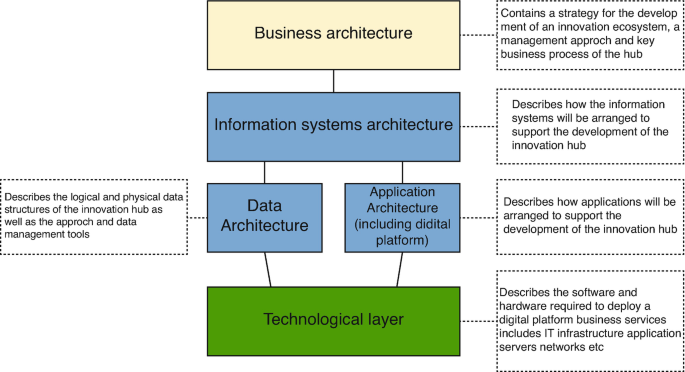
Early adopters enjoy being the first to understand about brand-new technology. While innovators are comfortable stopping working publicly, early adopters like to collect info and personal experience with innovation before they suggest it to others.
Convincing Ready to resolve early bugs and setbacks associated with beta launches and new technologies Worried about their reputation To motivate early adopters, offer guides on how to start. Early adopters want to hit the ground running. By giving them the guides and training they require to begin utilizing a tool, they can become internal champs for your organizational change.

Latest Posts
Maximizing Strategic Value Through Corporate Innovation Units
Mastering Evolving Tech Development Cycles
Predicting the Future of Corporate Tech Transformation