All Categories
Featured
The "one-cloud-fits-all" approach is officially outdated. Enterprises are increasingly adopting to stabilize performance, cost, security, and regulative requirements. Secret motorists consist of: Information residency and compliance needs Workload-specific efficiency optimization Avoiding supplier lock-in Organization connection and resilience Embrace unified cloud management, focus on interoperability, and enhance cloud expense governance (FinOps). With rising cyber threats, remote workforces, and distributed systems, perimeter-based security designs are no longer effective.
Training the Next Generation of AI-Enabled Researchers
Core principles consist of: Never ever trust, constantly verify Continuous authentication and permission Least-privilege access Identity-centric security Re-architect security around identity, endpoint presence, and continuous monitoring rather than relying entirely on network defenses. As data generation explodes at the edge, through IoT gadgets, wise infrastructure, and real-time systems, processing information more detailed to the source is becoming important.
Manual IT operations are being changed by. Enterprises are leveraging automation for: Infrastructure provisioning Incident detection and resolution Patch management Service orchestration Integrated with AI, automation is driving much faster resolution times, decreased downtime, and lower functional expenses. Standardize processes, invest in automation platforms, and upskill IT groups to handle and optimize automated environments.
The Power of Open Development in Corporate Tech Ecosystems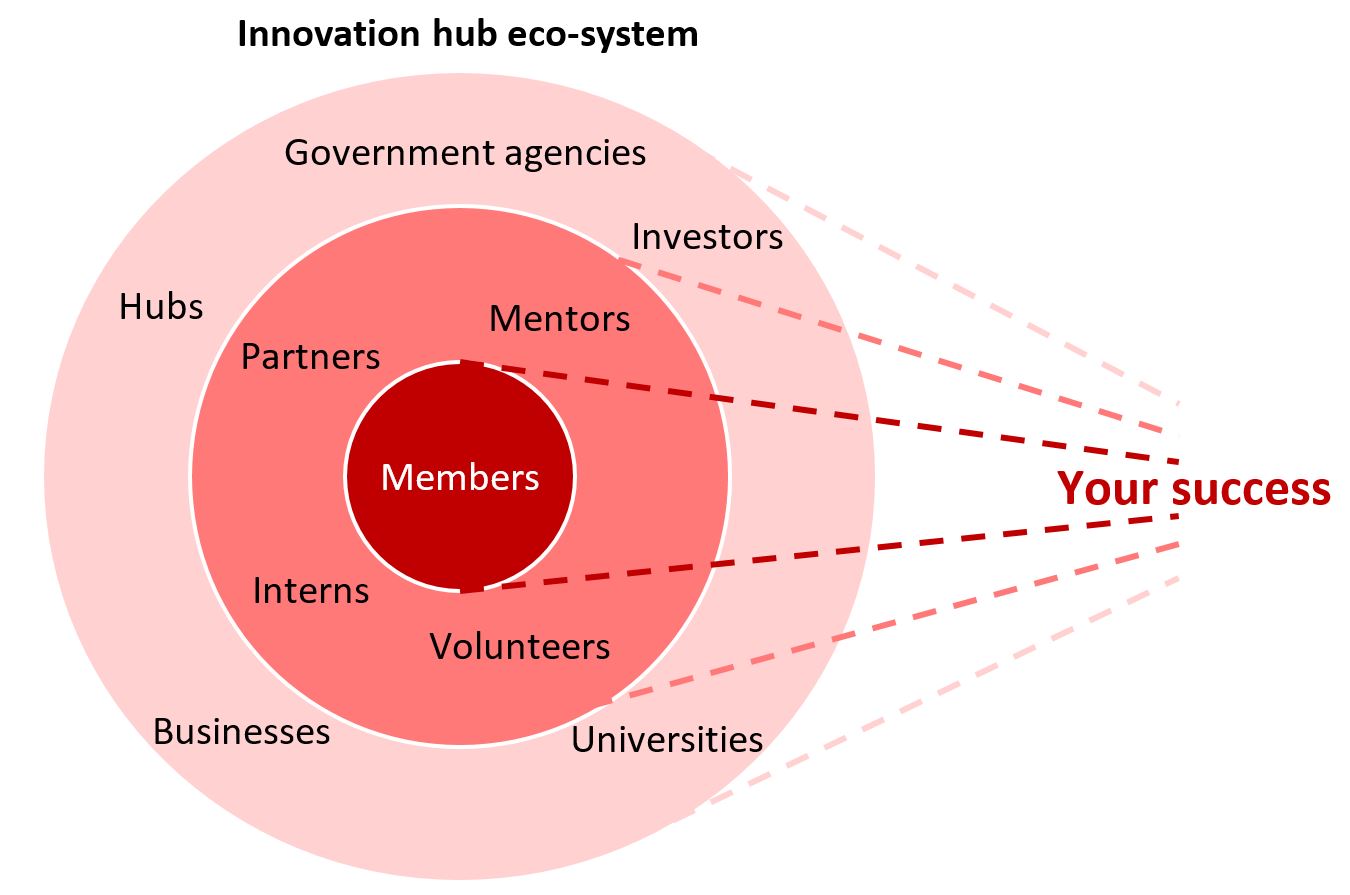
Strong EA assists business: Lower technology sprawl Improve scalability and dexterity Make notified investment decisions Manage legacy modernization successfully Deal with enterprise architecture as a constant discipline, closely aligned with leadership, method, and governance. Ecological responsibility is ending up being a board-level top priority. Enterprises are under pressure to decrease carbon footprints across IT operations, consisting of: Energy-efficient information centers Cloud sustainability reporting Optimized workloads Hardware lifecycle management Procedure IT energy consumption, choose sustainable vendors, and integrate sustainability objectives into IT strategy.

Latest Posts
Maximizing Strategic Value Through Corporate Innovation Units
Mastering Evolving Tech Development Cycles
Predicting the Future of Corporate Tech Transformation